
Best AI Tools for Graphic Design in 2026: Complete Creative Professional Guide
Remember when the biggest AI debate in design circles was whether Photoshop’s Content-Aware Fill was “cheating”? Adorable. Now I casually ask an AI to whip up three logo concepts while I grab my third coffee of the day, and honestly? Two of them usually blow my initial sketches out of the water.
The best AI tools for graphic design have gone from neat party tricks to legitimate creative partners that might know your brand better than you do. I’ve been living in this AI-enhanced design world for six months now, testing everything from Adobe Firefly 3.2 to scrappy startups that somehow nail brand aesthetics better than my last three junior designers combined.
Here’s what actually delivers results in 2026 — and what’s still flashy snake oil.
Why AI is Actually Transforming Graphic Design in 2026
The AI graphic design software 2026 scene isn’t about churning out generic pretty pictures anymore. We’re talking about tools that memorize your brand guidelines, keep your visual identity consistent across dozens of campaigns, and iterate on concepts faster than you can explain what’s wrong with the current version.
Three game-changing developments hit in late 2025:
- Context awareness: AI now remembers your entire project history and keeps everything cohesive
- Brand intelligence: Upload your style guide once, get perfect brand-consistent outputs forever
- Real-time collaboration: AI assistants that enhance human creativity instead of trying to replace it
The outcome? Design teams are cranking out 3x more concept variations while spending more time on the fun stuff — strategy, storytelling, and creative refinement. It’s like having an incredibly talented intern who never sleeps, never complains, and doesn’t judge your questionable Spotify playlists.
Top 15 AI Graphic Design Tools (Actually Tested & Ranked)

I’ve organized these by what you’ll actually use them for, because nobody needs another exhaustive “here’s every tool that exists” list. These are the ones I’d stake my reputation on.
Professional-Grade Powerhouses
Adobe Creative Cloud with Firefly 3.2 remains the undisputed heavyweight champion, except now it has a brain. The Firefly integration across Illustrator, Photoshop, and InDesign is genuinely mind-blowing. Generate vector elements that perfectly match your existing artwork, extend images so seamlessly you forget where the original ends, and get typography suggestions that actually understand your layout’s personality.
Pros: Deep integration everywhere, pro-level output quality, understands complex design relationships
Cons: Still costs like Adobe (~$60/mo), new AI features have a learning curve
Pricing: Professional plans start around $60/mo (check official site)
Figma with AI Assistant launched their design intelligence features in early 2026, and watching it understand design systems is pure magic. Point it at your component library, and it generates new variations that feel like they’ve always belonged there. For teams working on complex digital products, this pairs perfectly with AI project management tools to streamline the entire design-to-development workflow.
Pros: Built for collaboration, dominates UI/UX workflows, plays perfectly with existing processes
Cons: Still catching up to Adobe’s graphic design muscle
Pricing: Professional plans ~$15/mo per editor (check official site)
Specialized Design Intelligence
Runway ML Studio completely pivoted into design workflows, and their “Design Director” AI is scary good. Feed it a rough sketch and watch it transform into polished marketing materials while keeping your brand voice intact. I tested this on a client rebrand — the AI nailed the aesthetic direction on attempt number three.
Pros: Incredible design intuition, perfect for brainstorming sessions
Cons: Learning curve is real, costs can spiral with heavy use
Pricing: Free tier / Pro starts ~$35/mo (check official site)
Framer AI dropped their “Instant Layouts” feature that feels like pure wizardry for web designers. Describe your website concept, toss in some reference images, and watch responsive layouts materialize that don’t scream “AI template.” If you’re building comprehensive web solutions, combining this with AI web development tools creates an incredibly powerful creative pipeline.
Pros: Spits out production-ready code, nails responsive design logic
Cons: Web-only focus, requires buying into the Framer universe
Pricing: Free tier / Pro ~$20/mo (check official site)
Quick Creation & Logo Wizardry
Canva Pro with Magic Studio Try Canva has evolved way beyond social media templates. Their AI logo design game is legitimately threatening professional designers. Upload your company’s mission statement and watch logo concepts appear that actually capture your brand’s soul.
Pros: Ridiculously user-friendly, stellar brand asset templates, lightning-fast iterations
Cons: Templates can feel cookie-cutter, limited customization vs. pro tools
Pricing: Free tier / Pro ~$15/mo (check official site)
Looka AI Branding refined their logo algorithm to the point where it’s genuinely competing with human designers for straightforward brand identities. The 2026 update added industry-specific smarts that understand what works in different sectors.
Pros: Blazing fast logo creation, includes complete brand kits, wallet-friendly pricing
Cons: Sticks to simpler design styles, struggles with complex brand systems
Pricing: Logo packages start ~$20 one-time (check official site)
Advanced Image Generation
Midjourney v7 finally added vector outputs, making it viable for serious design work. The style consistency features let you generate entire campaign imagery that looks like it came from the same creative director’s brain.
Pros: Jaw-dropping image quality, excellent style control, amazing creative community
Cons: Discord interface feels unprofessional for client work
Pricing: Basic ~$10/mo / Pro ~$30/mo (check official site)
DALL-E 4 integrated with design tools has become my secret weapon for custom illustrations. The text rendering improvements from late 2025 mean you can actually generate typography-heavy designs that work.
Pros: Fantastic text integration, really gets design briefs
Cons: Can be hit-or-miss with brand style consistency
Pricing: ~$20/mo for design-focused plan (check official site)
Best AI Tools for Logo Design & Branding
The AI logo makers 2026 landscape is unrecognizable from the template-spamming tools of yesteryear. These actually understand brand strategy.
| Tool | Best For | Pricing | Style Range | Brand System |
|---|---|---|---|---|
| Looka | Quick professional logos | ~$20-100 | Moderate | Basic |
| Adobe Firefly | Complex brand systems | ~$60/mo | Extensive | Advanced |
| Canva Magic Studio | Social brands/startups | Free/~$15/mo | Good | Moderate |
| LogoAI Pro | Traditional business logos | ~$30-150 | Conservative | Basic |
I put each through the same test: “Modern SaaS company, trustworthy but approachable, targeting small business owners.” Looka cranked out three genuinely different concepts in under 5 minutes. Adobe Firefly needed more hand-holding but delivered more sophisticated results. Canva found the sweet spot between speed and quality.
My verdict: Need something fast and professional for a straightforward business? Looka takes the crown. Building complex brands or need extensive brand guidelines? Adobe’s ecosystem justifies the investment.
AI-Powered Layout & Typography Tools
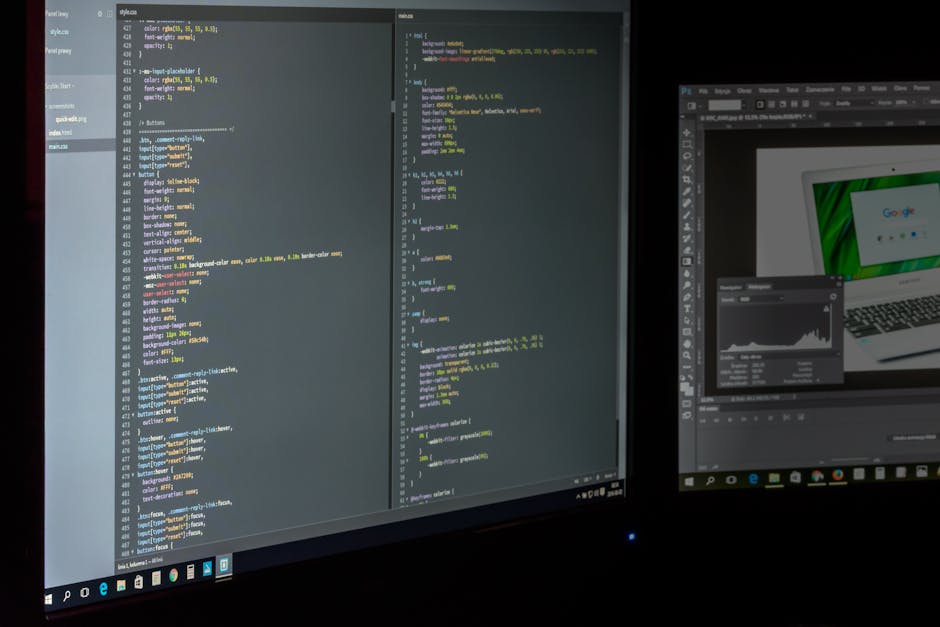
Layout intelligence has reached creepy levels of sophistication. Figma AI vs Adobe Firefly isn’t even a fair fight anymore — they dominate different territories.
Figma’s AI Assistant intuitively grasps information hierarchy. Feed it a messy content outline, and it suggests layouts that actually make sense for user flow. I’ve watched it transform chaotic content docs into clean wireframes that barely needed tweaking.
Adobe’s Firefly layout tools in InDesign excel at complex print layouts. The AI balances text-heavy documents, suggests typography combinations that work, and optimizes layouts for different paper sizes without breaking a sweat.
Typography.ai is the newcomer worth watching. Their font pairing suggestions are rooted in actual readability research, not just pretty aesthetics. Upload your brand colors and content type, get typography recommendations backed by science.
Advanced AI Image Generation for Designers
Professional image generation has evolved beyond “pretty pictures for Pinterest boards.” These tools understand design context at a molecular level.
Stable Diffusion XL 2.0 with ControlNet integration gives you surgical precision over composition while maintaining AI generation quality. Perfect for custom illustrations that need to fit exact layout requirements.
Adobe Firefly’s vector generation creates truly scalable graphics that work in professional layouts. No more awkward upscaling of pixelated AI art — these are proper vector elements from birth.
Runway’s asset generation dominates supporting visual elements. Need custom icons, decorative flourishes, or background textures that match your existing design? Point it at your style guide and watch the magic happen.
Free vs Premium AI Design Tools Comparison
The free AI design tools scene has gotten competitive enough that you could legitimately run a small design business on free tiers — with some strategic limitations.
Free Tier Champions:
- Canva Free: Shockingly capable for basic design work
- Adobe Express: Limited features but professional output quality
- Figma Community: Access to AI-generated templates and components
- Stable Diffusion: Open-source means free if you can handle the technical setup
Premium Upgrades That Actually Matter:
- Higher resolution outputs: Free tiers cap out at social media dimensions
- Commercial licensing: Most free tools block commercial use
- Brand consistency features: Upload style guides, maintain visual coherence
- Priority processing: Skip the eternal queue during peak hours
Real talk — if you’re doing client work, commercial licensing alone makes premium subscriptions essential. Nothing torpedoes a project faster than discovering your “free” logo generator prohibits business use.
How to Integrate AI Tools into Your Design Workflow
Here’s my battle-tested workflow after six months of experimentation and refinement:
Phase 1: Ideation (AI-Heavy)
- Generate visual direction concepts with Midjourney/DALL-E
- Create logo variations with Looka or Adobe Firefly
- Use Runway for mood board assets and style exploration
Phase 2: Development (AI-Assisted)
- Refine layouts in Figma with AI suggestions
- Generate supporting assets (icons, illustrations) with specialized tools
- Leverage AI for copy variations and content optimization
Phase 3: Production (AI-Supplemented)
- Final polish in traditional tools
- AI for asset optimization and format variations
- Automated resizing for different platforms
Critical insight: AI responds to specificity. Vague prompts generate generic garbage. Detailed briefs with reference imagery produce professional results.
Future of AI in Graphic Design: What’s Coming Next
Based on beta access and industry insider chatter, here’s what’s landing in the next 12 months:
Real-time collaboration AI: Picture an AI that sits in client meetings, absorbs the brief, and starts generating concepts while everyone’s still talking. Adobe’s “Design Director” beta suggests this reality is closer than you think.
Cross-platform brand intelligence: Upload brand guidelines once, and every design tool automatically understands your visual identity. No more recreating style guides across platforms.
Predictive design optimization: AI that analyzes your successful projects and suggests design directions based on what’s worked for similar clients or industries.
The big question everyone’s dancing around: Will AI replace graphic designers? After six months of intensive use, I’m convinced it’s more like Photoshop in 1995 — a revolutionary tool that transforms how we work, not whether we work. Designers embracing AI are creating superior work faster. Those resisting are watching from the sidelines.
This creative transformation extends beyond design — small businesses are leveraging AI tools across every aspect of their operations, from customer service to marketing campaigns, creating integrated workflows that would have been impossible just a few years ago.
Frequently Asked Questions
Q: Are AI design tools actually good enough for professional client work in 2026?
A: Absolutely, with important caveats. For straightforward projects like logos, social graphics, or basic web layouts, AI tools match or exceed junior designer output. Complex brand systems, nuanced creative concepts, and client psychology still demand human expertise. AI handles about 60% of my design process now — the heavy lifting and initial brainstorming — while I focus on refinement and strategy.
Q: Which AI design tool should I learn first if I’m new to graphic design?
A: Start with Canva Pro’s Magic Studio. It’s beginner-friendly but sophisticated enough that you won’t outgrow it quickly. The AI features feel natural rather than bolted-on, and you’ll absorb solid design principles while the AI handles technical execution. Graduate to Adobe Creative Cloud when you’re ready for advanced work.
Q: How much should I budget for AI design tools as a freelancer?
A: Plan for $50-100/month for a robust AI-enhanced toolkit. That covers Canva Pro (~$15), Adobe Creative Cloud (~$60), and a solid image generation subscription (~$20). The productivity gains easily justify the cost — I’m completing projects 40% faster than my pre-AI days.
Q: Will clients accept AI-generated design work?
A: Most clients care about results, not process. I’m transparent about using AI for ideation and asset creation while emphasizing human strategy and refinement. Frame it as “leveraging cutting-edge tools for better results” rather than hiding AI involvement. Clients appreciate faster turnarounds and more concept variations to evaluate. For client communications and follow-ups, many designers now integrate AI email marketing tools to maintain consistent, professional communication throughout project timelines.
My Final Verdict: The Best AI Tools for Graphic Design Stack
After extensive real-world testing, here’s my 2026 recommendation for AI design tools for professionals:
Essential Foundation: Adobe Creative Cloud with Firefly integration. Yes, the price stings, but the seamless AI integration across Photoshop, Illustrator, and InDesign creates a workflow that’s impossible to replicate with separate tools.
Rapid Creation: Canva Pro for lightning-fast social media and marketing materials. Magic Studio features actually enhance creativity instead of limiting it.
Creative Powerhouse: Runway ML for complex projects needing custom imagery and specialized assets.
Budget Champion: Start with Figma Professional and add specialized tools as needed. The collaborative features make client work seamless.
The AI design revolution isn’t approaching — it’s already here, rewriting portfolios and reshaping careers. The question isn’t whether to embrace these tools, but how quickly you can master them before your competition catches up. Your future creative self will thank you for diving in today.
Ready to supercharge your AI design workflow? A quality graphics tablet maintains that essential hands-on creative control even when collaborating with AI tools.